
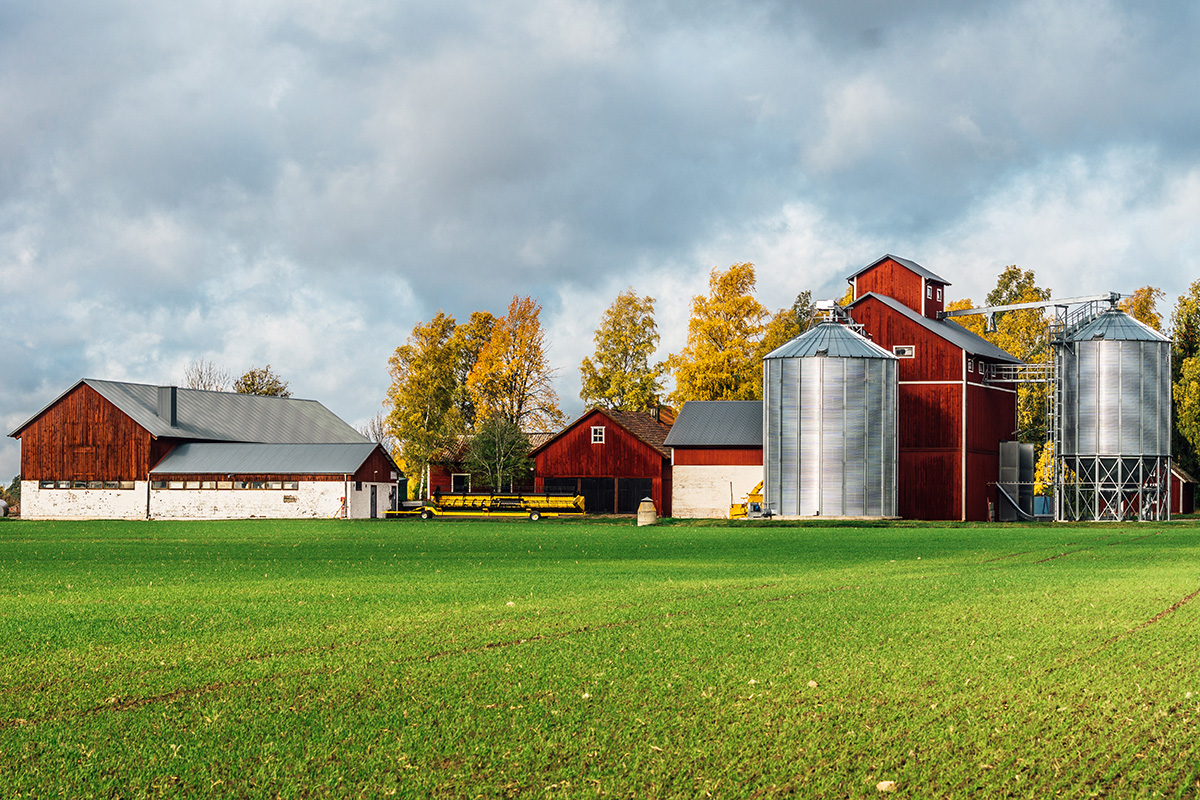

When Sarah inherited her uncle’s 640-acre farm in Alberta, she knew she was taking responsibility for a property filled with family history. There was the farmhouse, a weathered barn, machinery sheds, grain bins and hundreds of acres of cultivated land.
But the paperwork revealed responsibilities she had never considered. The property also contained oil wells, utility rights-of-way and telecommunications towers, with agreements allowing companies to access and use portions of the land.
For someone in Sarah’s position, arranging insurance starts with understanding what has been inherited, who owns the equipment on the property and how the land will be used. One of the first calls should be to an insurance broker familiar with Alberta farms and properties that host commercial infrastructure. Sarah should tell the broker about her uncle’s death, who is administering the estate and whether ownership has transferred. The broker can confirm how the estate and eventual owners should be identified on the policy and what documentation the insurer requires.
Occupancy matters, too. If the farmhouse is empty while Sarah decides whether to move in, rent it out or sell, she needs to tell her broker right away. An empty home can change the coverage available and the requirements for keeping it insured, including heating and property checks.
These are useful starting points for anyone inheriting a farm. From there, the conversation needs to cover what’s on the property, who uses it and what happens next.
What are you taking ownership of?
A farm can include several parcels of land, each with a different use. Your broker needs to know about cultivated fields, pasture, rented land and areas used by other businesses, along with the farmhouse and outbuildings.
Start with an inventory of what belongs to the estate or new owner. That might include machinery, tools, grain, livestock and equipment stored in sheds. Make note of anything that belongs to a tenant, contractor or neighbouring farmer so ownership is clear.
Buildings deserve a closer look, too. An older barn may still be in use, used only for storage or no longer maintained. Those details matter when discussing coverage and how a claim would be settled. Your broker can help you review the insured values and explain whether coverage is based on rebuilding costs or another basis of settlement.
Are you farming, renting out the land, or still deciding?
You don’t need to have every long-term decision made before calling your broker. You do need to explain what’s happening now.
If someone else continues farming the land, share the rental agreement and explain who owns the crops, livestock and machinery. If you’ll be taking over the operation yourself, discuss the work you’ll be doing, any employees and the income the farm generates.
Plans for farm-gate sales, events, tours or another business on the property also need to be part of the conversation. Don’t assume those activities are included because they take place on a farm. Insurance requirements can vary greatly from one property to another.
What about oil wells, utility access & towers?
For Sarah, the agreements in her uncle’s paperwork raised questions that weren’t obvious from walking around the property.
Having an oil well on your land doesn’t automatically mean you own or operate it. Surface ownership and mineral rights can be separate in Alberta. The Alberta Energy Regulator’s landowner guide explains these distinctions and the company’s responsibilities for development and reclamation.
Give your broker copies of surface leases, utility rights-of-way and tower agreements. Include operator names, site locations and any information about whether wells are active, inactive or awaiting reclamation. Flag known spills, contamination, disputes or unresolved concerns.
For towers and other equipment, establish who owns the infrastructure and who is responsible for access roads, fencing, maintenance and repairs. Your lawyer can explain the obligations in the agreements, while your broker reviews how those obligations fit with your insurance. If an agreement requires particular liability limits or additional insured status, those requirements need to be checked against the actual coverage.
Pollution is another question to raise directly. Ask what protection is available for your own fuel storage and farm activities, and whether there are gaps relating to third-party operations. Don’t assume a general liability policy will cover a spill or cleanup costs simply because the incident happens on your land.

Coverage questions worth asking
The right coverage depends on your role and the operation. Along with buildings, contents and liability, your broker can help you review:
- Vehicles and machinery: How trucks, trailers, ATVs and farm equipment are used, who operates them and whether equipment breakdown protection is appropriate.
- Water damage: Whether coverage is available for overland flooding and sewer or septic backup, and which buildings and contents it applies to.
- Income after a loss: Whether business interruption coverage is appropriate if insured damage stops farm operations. Agricultural income and lease income need separate discussion; unpaid rent shouldn’t be assumed to be covered.
- Repairs and construction: Any planned renovations, major repairs or new buildings, before work begins.
- People working on the farm: Workplace injury coverage and protection for your own injuries or inability to work.
If crops will be grown, clarify who has a financial interest in them and who is arranging crop and hail insurance. AFSC’s crop insurance information is a useful Alberta resource.
Ask your broker to explain the liability limits, deductibles and exclusions as well. The review should account for every parcel, including rented land and areas used by other companies.
What to have ready for your Broker
Start with the existing insurance policies, estate contact information, land descriptions and any leases or access agreements. Photos of buildings and equipment, an inventory with approximate values, and details of previous claims or known damage will also help.
You may find gaps in the records. Tell your broker what’s missing so you can work through the questions together.
Have a diagram of the property on hand, too. Label the home and all outbuildings, including barns, shops, sheds and grain bins, and show the distances from the home to each outbuilding and between the outbuildings themselves. Note each building’s use and mark fuel tanks, access roads and any third-party infrastructure. This gives your broker a clearer picture of the layout and helps identify anything that needs a closer look.
For Sarah, that first call to her broker can happen before she decides what the farm’s future looks like. The same applies if you’re sorting through an inherited property: tell us what you know, what’s changed and what you’re still figuring out. We’ll help you review the coverage for the property as it stands today and revisit it as your plans take shape.
Additional reading: 9 Essential Home Inspection Tips for Alberta Acreage Buyers